
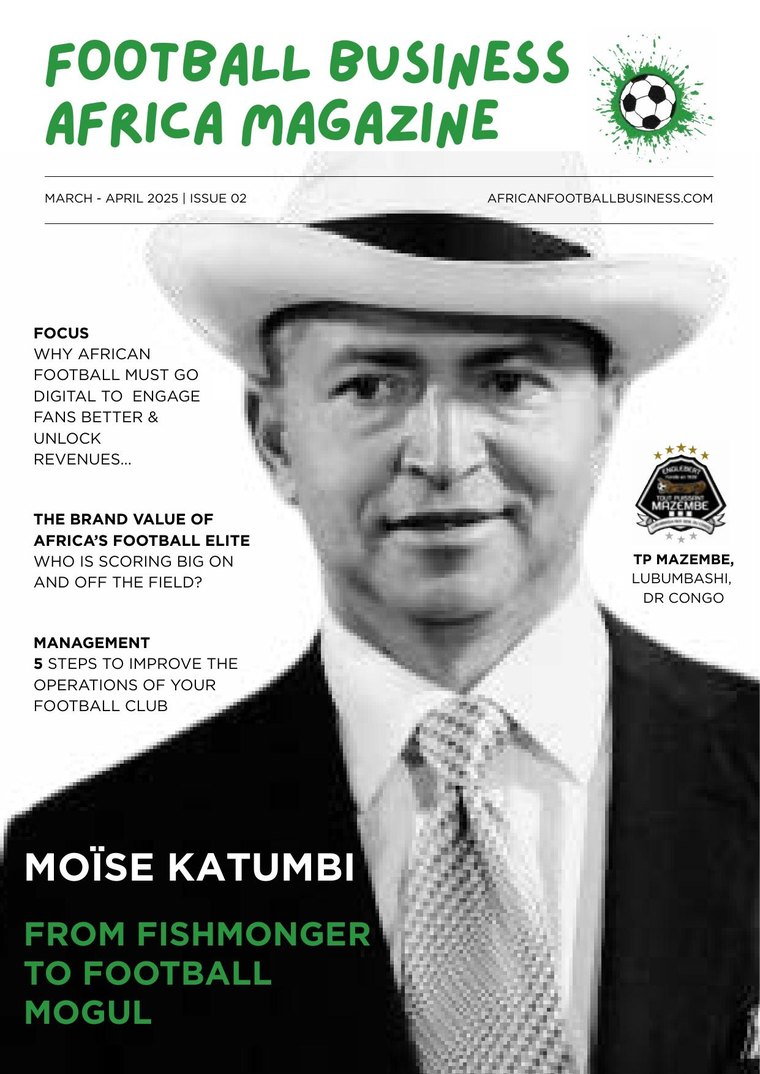
The Congolese businessman and political figure has taken TP Mazembe, a once-struggling team, and turned it into a continental powerhouse. But Katumbi's story is far more colorful than your average billionaire benefactor. It's a tale of fish, football, and maybe even a future presidency.
Katumbi's journey began far from the glitz and glamour of European football.
Born in a small village near Lake Mweru, he started his entrepreneurial career at the tender age of 13, supplying fish to the local mining company.
Talk about a "big fish" in a small pond! From there, he built a diverse business empire spanning mining, transportation, and food processing.
This wasn't just about inheriting wealth; Katumbi earned his stripes through hard work and a keen eye for opportunity.
Katumbi's true passion, however, lay in football. As a youngster, he'd chase after stray balls for TP Mazembe, dreaming of one day leading the team to glory.
That dream became a reality in the early 2000s when he took over the club. At the time, TP Mazembe was a shadow of its former self, having suffered humiliating defeats and struggling to attract fans.
Katumbi, however, had a vision.
He poured millions into the club, upgrading facilities, attracting top talent (and paying them handsomely!) and even building a state-of-the-art stadium Stade TP Mazembe, with its artificial turf, VIP boxes, and electronic advertising panels, was unlike anything Africa had ever seen.
From chasing stray balls as a boy to building a stadium unlike anything Africa had seen.
More Than Just a Sugar Daddy
But Katumbi's involvement went beyond just splashing the cash. He was a hands-on owner, deeply involved in the club's management and fostering a winning mentality.
He even threatened to resign when fans questioned his decisions! This passionate, sometimes direct approach has drawn criticism, with some accusing him of running the club "like his house.
Despite the controversies, Katumbi's impact is undeniable.
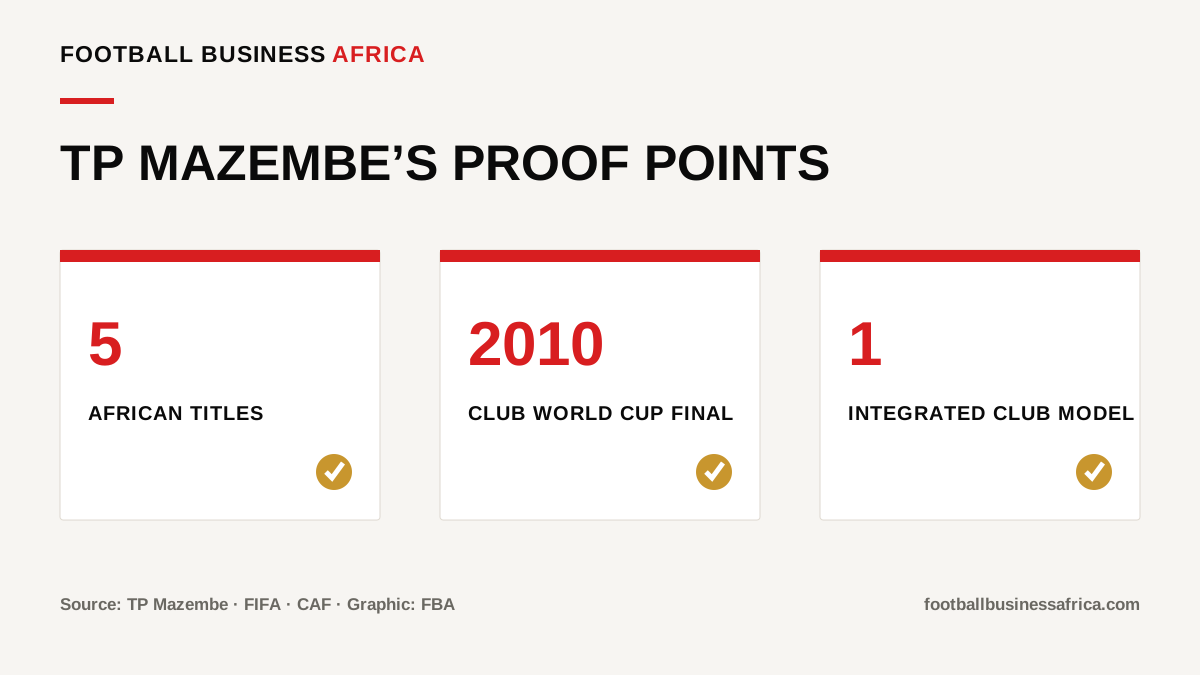
TP Mazembe has won the CAF Champions League five times and become a symbol of pride for the Congolese people.
He's also invested heavily in youth development through the Katumbi Football Academy, nurturing the next generation of Congolese stars.
Running a successful football club, even with a billionaire owner, requires a smart business strategy. TP Mazembe generates revenue through various streams, including matchday income, prize money from competitions, player transfers, sponsorships, and merchandise sales. They've even secured deals with big names like Simba Breweries and Tenke Fungurume Mining.
However, the club's finances are heavily reliant on Katumbi's personal wealth, which has raised concerns about long-term sustainability. The recent financial difficulties faced by LINAFOOT, the Congolese top-flight league, further highlight the challenges.
In the world of football, sometimes the most exciting action happens off the pitch.
Politics and Football: A Balancing Act
Katumbi's story takes another twist when you consider his political ambitions. He served as the Governor of Katanga Province and has been described as "the second most powerful man in the Democratic Republic of Congo.
This has led to accusations of using TP Mazembe's success for political gain and questions about the source of his wealth.His political career has also been fraught with controversy. He's faced accusations of hiring mercenaries, plotting a coup, and even had his plane denied landing in the DRC.
Talk about a political goal! Despite these challenges, Katumbi remains a popular figure and is seen by many as a potential future president.
Moise Katumbi is a complex and fascinating figure. He's a self-made millionaire, a passionate football enthusiast, and a political figure.
He's brought unprecedented success to TP Mazembe, but his legacy is still being written.
Whether he'll achieve his ultimate goal of becoming the DRC's president remains to be seen. But one thing's for sure: Katumbi's story is a reminder that in the world of football, sometimes the most exciting action happens off the pitch.
Sources & further reading
Public documents and reporting used to verify the article. Links open the original source.
- 01
TP Mazembe: club history
- 02
FIFA: TP Mazembe’s 2010 Club World Cup run
- 03
CAF: TP Mazembe statistics
- 04
CAF Club Licensing
Originally published in Football Business Africa, Issue 02 · Mar–Apr 2025.