African football clubs stand at a crossroads of immense potential and major challenges. The continent’s clubs are engines of talent, community pride, and cultural identity. Yet, while clubs from Egypt, Morocco and South Africa dominate continental competitions, most grapple with financial instability, crumbling infrastructure, and governance crises. In this article, FBA Magazine explores the structural landscape of African football, assesses regional disparities, and outlines 5 actionable strategies for clubs to achieve sustainability.
Features of African Football Clubs
Ownership and Governance Structures
State and Community Models: In North and West Africa, clubs like Egypt’s Al Ahly and Algeria’s JS Kabylie are deeply tied to government or community entities, ensuring stability but risking political interference.
Corporate Ownership: Southern Africa leads in commercialization, with South Africa’s Mamelodi Sundowns (owned by mining magnate Patrice Motsepe) blending corporate governance with global scouting networks.
Informal Patronage: Many Sub-Saharan clubs, such as Kenya’s Gor Mahia, rely on wealthy patrons or politicians, leading to volatility when funding dries up.
Financial Realities
Regional Disparities and Trends
North Africa: Professionalized leagues benefit from state investment. Represents 70% of CAF C1 winners since 2000.
West Africa: Raw talent abounds, but political interference and infrastructure neglect hinder growth.
Southern Africa: Corporate models thrive in South Africa, yet neighboring nations like Zimbabwe face resource gaps.
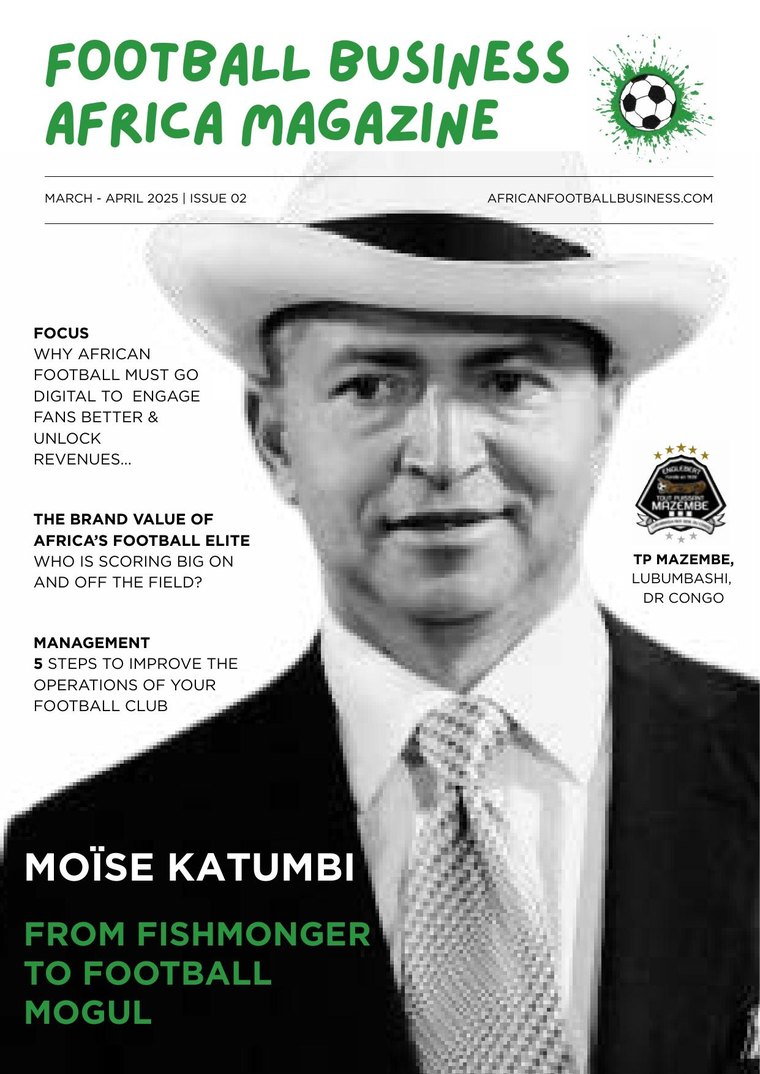
East/Central Africa: Tanzania’s Simba SC and Yanga SC as well as DR Congo’s TP Mazembe showcases private-sector success.
Revenue Streams: Overreliance on wealthy patrons or on player sales to Europe (e.g., ASEC d’Abidjan in Côte d’Ivoire) and inconsistent sponsorships plague most leagues. Exceptions include Morocco’s Botola Pro and South Africa’s PSL, which generate $30M annually from centralized TV deals.
Debt and Mismanagement: A 2021 Transparency International report estimated
$500M lost annually to corruption, while 70% of West African clubs lack audited accounts.
On-field brilliance must be matched by off-field acumen.
Infrastructure Gaps
North Africa’s state-funded stadiums (e.g., Morocco’s Mohammed VI Academy) contrast sharply with Sub-Saharan Africa’s dilapidated venues. Only 15% of stadiums in the latter meet CAF standards.
Youth Development
Academies like ASEC Mimosas (Côte d’Ivoire) and Generation Foot (Senegal) are talent factories but struggle to retain stars. FIFPRO reports 45% of African academy players sign contracts without legal advice.
Emerging trends in African Football...
Several key trends are reshaping the African football club landscape.
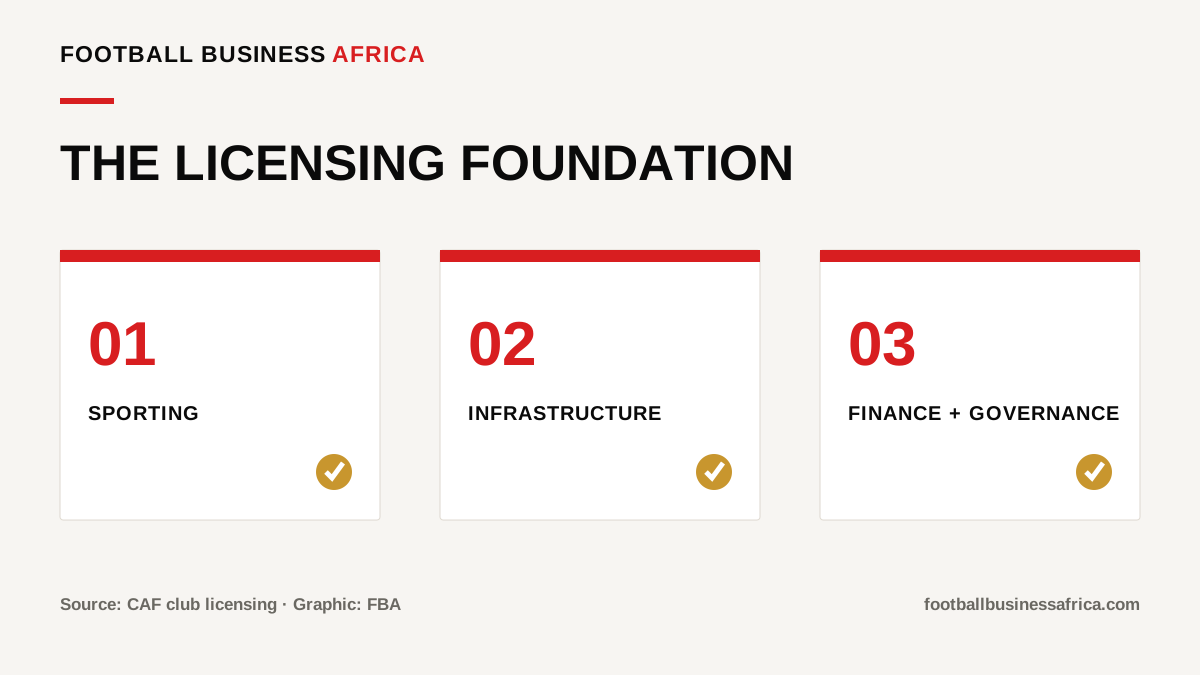
A - The increasing professionalization of domestic leagues is evident across the continent, driven by national associations and CAF’s club licensing requirements. This push aims to improve the quality of play and commercial appeal.
B- Growing foreign investment and multi-club ownership are also on the rise. While more prevalent in Europe, multi-club ownership is gaining traction globally and could impact African football, potentially bringing financial stability and expertise but also raising concerns about competitive integrity and player exploitation.
C- Infrastructure improvements and stadium development are gaining momentum, often spurred by hosting major continental tournaments. Initiatives like the African Football League also aim to enhance infrastructure.
D - Finally, the role of technology and digitalization is expanding, with clubs leveraging social media, mobile apps, and potentially AI and VR to enhance fan engagement and explore new revenue streams.
Challenges
Despite these positive trends, African football clubs face significant challenges. Financial instability and a lack of sustainable funding remain paramount. Reliance on inconsistent government subsidies or individual owners hinders long-term planning and investment.
Inadequate training facilities also severely impede progress. Poor stadium conditions and limited access to quality training grounds affect player development and fan experience.
Good governance is no longer optional — it is the foundation of investor confidence.
The migration of talented players to more lucrative leagues in Europe and within Africa, the "brain drain," weakens domestic leagues and clubs. While transfers can provide revenue, the constant outflow of top talent diminishes the competitiveness of local football.
Persistent governance issues continue to plague the sport, deterring investors and hindering development.
5 steps to improve your club’s business
operation
Implement transparent and accountable governance structures, adhering to CAF and national federation regulations.
Professionalize club management by hiring qualified personnel in finance, marketing, and administration. Combat corruption through robust internal controls and ethical practices
Develop commercialization strategies to attract sponsorships and commercial partners. Enhance fan engagement to increase matchday revenue through improved stadium infrastructure and marketing efforts. Explore media rights deals and digital content creation to tap into the growing global interest.
Establish and fund professional youth academies with qualified coaches and proper facilities to nurture local talent. Prioritize holistic development, including education and life skills, alongside football training. Create scouting networks to identify and recruit promising young players
Advocate for and invest in upgrading training facilities to meet international standards. Explore public-private partnerships to finance improvements.
Engage with CAF, national federations, and the newly formed Association des Clubs Africains (ACA) to advocate for club interests and access resources and expertise. Build relationships with international clubs and academies for knowledge sharing and potential player development opportunities
Sources & further reading
Public documents and reporting used to verify the article. Links open the original source.
- 01
CAF Club Licensing
- 02
CAF licensing regulations
- 03
FIFA professional football report
- 04
Deloitte Football Money League 2026
Originally published in Football Business Africa, Issue 02 · Mar–Apr 2025.