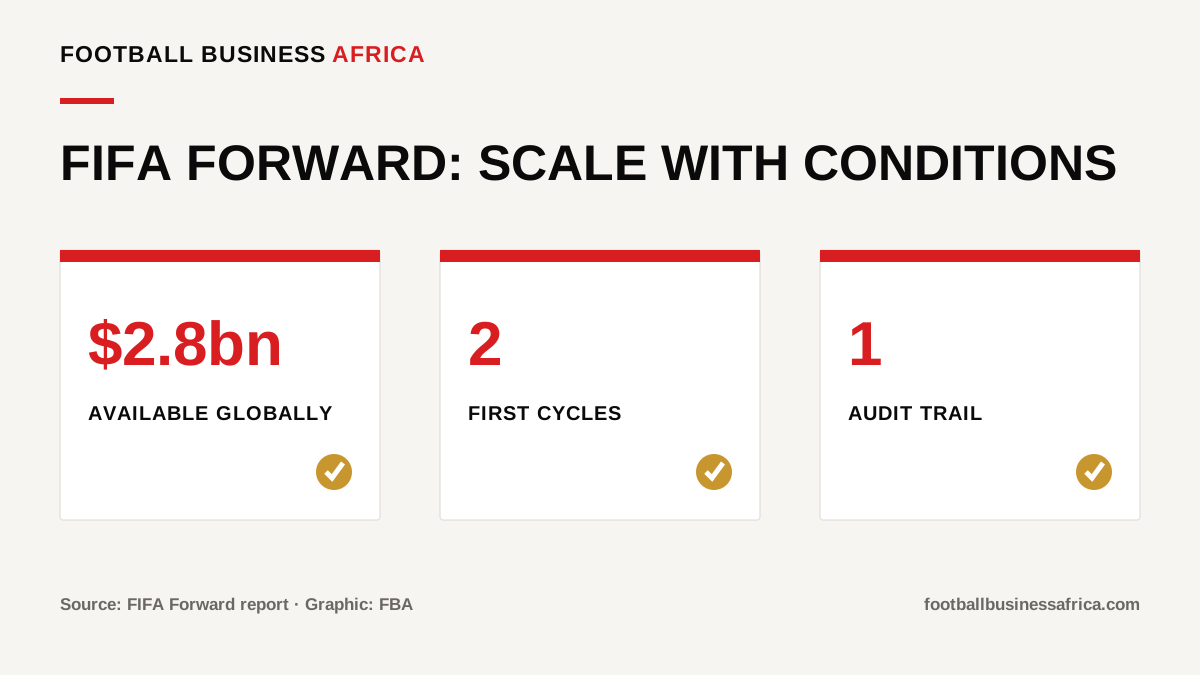

Since 2016, FIFA Forward has financed football-development projects worldwide. FIFA reports that about USD 2.8 billion was made available across the programme’s first two cycles; African member associations have used their allocations for pitches, academies and administrative capacity. This article examines how those projects affect football’s business infrastructure on the continent.
A primary focus has been on infrastructure development, a cornerstone for sustainable progress.Across the continent, 169 new football pitches have been laid, providing better playing surfaces crucial for nurturing talent.
From the renovation of iconic stadiums like Liberia's Antoinette Tubman Stadium and Mauritania's Sheikha Boidiya stadium to the installation of artificial turf at technical centers in Botswana, Lesotho, and Seychelles, the programme is upgrading the very foundations of the game.
Côte d'Ivoire, the recent AFCON champions, are set to benefit from a USD 4.3 million investment in their National Technical Centre in Bingerville, a facility that will serve all national teams.
Beyond infrastructure, the FIFA Forward Programme has been instrumental in nurturing the next generation of African talent through its support for youth football development. Senegal's launch of national youth leagues across various age groups for both boys and girls exemplifies this commitment, providing a structured pathway for young players to develop.
In the COSAFA region, countries like Comoros and Madagascar have strategically prioritized youth initiatives, laying the groundwork for future success.
The advancement of women's football has also been a significant beneficiary. Morocco's journey to hosting the Women's Africa Cup of Nations and qualifying for the FIFA Women's World Cup highlights the impact of strategic investment.
Sierra Leone's establishment of a new Women's Premier League offers a vital platform for female players.
Across Africa, over 10,000 girls and women have participated in 36 competitions launched with Forward funding, demonstrating a growing commitment to inclusivity.
Recognizing that strong administration is vital, the programme has supported numerous capacity building initiatives. Over 15,000 individuals across CAF's member associations have benefited from 46 capacity development projects, enhancing the skills of administrators, coaches, and referees.
In Comoros, specific training courses for these key personnel have been conducted, contributing to a more professional footballing environment.
169 new pitches, 36 new women’s competitions, 15,000 administrators trained — and counting.
The impact extends to national teams and competitions.
Seychelles will host the FIFA Beach Soccer World Cup 2025™ after renovating facilities with Forward funding, while Mauritius previously hosted the COSAFA U-17 Women's Championship.
National teams like Comoros, Botswana, and Angola have seen improved FIFA rankings, attributing their progress to FIFA initiatives, particularly the Forward Programme.
Cabo Verde's ability to host FIFA World Cup qualifiers after two decades, thanks to the renovation of their national stadium, showcases the programme's role in elevating playing standards.
Navigating the Challenges: Areas for Growth and Focus
Despite the considerable successes, the FIFA Forward Programme also faces challenges in its implementation and impact across Africa.
One notable issue is the underutilization of funds by some member associations. Côte d'Ivoire, for instance, utilized only 50% of its allocation between 2016 and 2022. This may be due to difficulties in meeting the programme's requirements for project execution.
While infrastructure and national team support receive significant attention, club-level development and sustainability appear to be areas receiving comparatively less direct support.
African clubs often grapple with financial instability, and while the Forward Programme benefits them indirectly, more targeted initiatives could be beneficial.
Addressing corruption and mismanagement, significant hindrances to African football development, is another area where more direct intervention might be needed. While the programme emphasizes oversight, specific anti-corruption initiatives are not as prominently featured.
Investment is only as powerful as the capacity to use it well.
Furthermore, while women's football has seen growth, disparities in funding and opportunities persist at the national federation level. Ensuring equitable allocation of resources and consistent competitive platforms remains a challenge.
Looking Ahead: A Brighter Future for African Football?
Evaluations of the FIFA Forward Programme highlight its overall positive impact, with over USD
2.24 billion invested directly in member associations globally between 2016 and 2022. This has led to tangible outcomes like new pitches and competitions
. Across Africa, Forward-funded projects have contributed to sporting infrastructure and institutional development.
The launch of FIFA Forward 3.0 (2023-2026) with an almost 30% increase in investment signals a continued commitment to African football. With each member association now eligible for up to USD 8 million over the four-year cycle, the potential for further progress is significant. A key focus of this new cycle is to contribute to FIFA's global goal of increasing female participation.
The FIFA Forward Programme is undeniably a powerful catalyst for football development in Africa. Its substantial investments are yielding tangible results in crucial areas.
However, to fully unlock the continent's footballing potential, continued efforts are needed to ensure effective fund utilization, strengthen club structures, proactively address governance challenges, and guarantee equitable support for all levels of the game, particularly women's football.
As FIFA Forward 3.0 unfolds, the African football community will be watching closely to see how this ambitious programme continues to shape the future of the beautiful game on the continent.
Sources & further reading
Public documents and reporting used to verify the article. Links open the original source.
- 01
FIFA Forward report
- 02
FIFA annual report 2025
- 03
FIFA Forward programme
- 04
FIFA Forward impact map
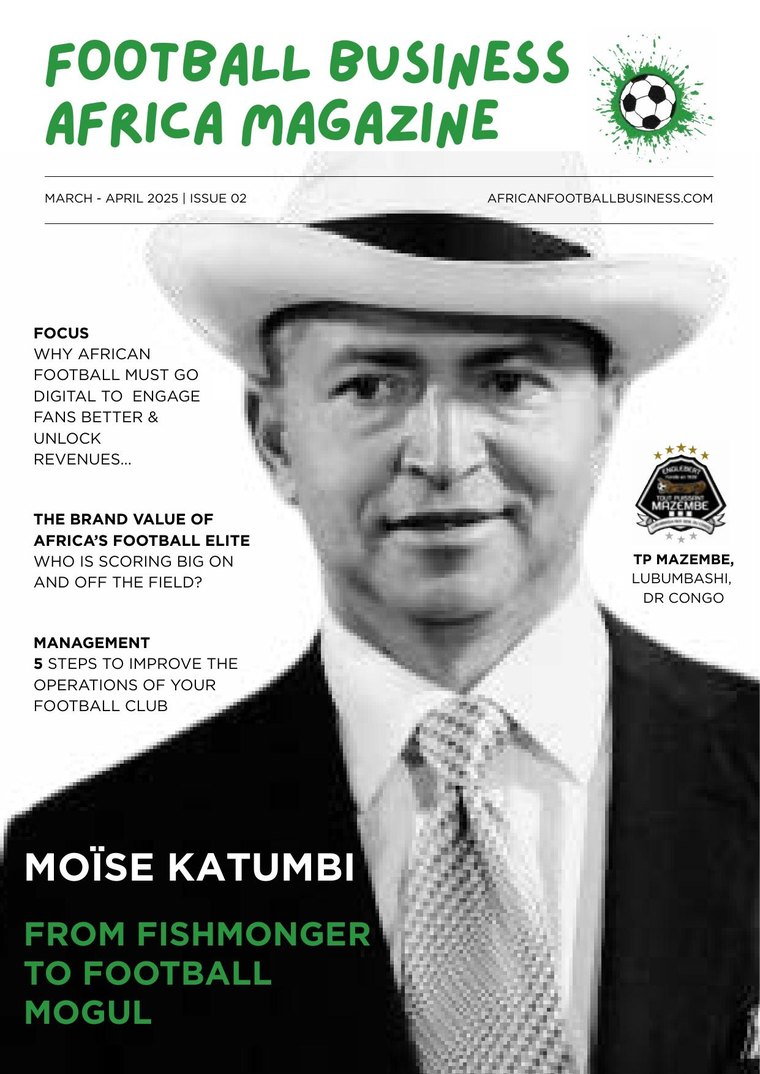
Originally published in Football Business Africa, Issue 02 · Mar–Apr 2025.