

Across Africa, football is the most broadcasted sport and rights for football events is a key asset. Behind their TV and smartphone screens, football captivates millions with its thrilling matches and passionate fans. This fervor has transformed the continent into an increasingly lucrative market for television broadcasting and streaming rights.
FBA Magazine delves into the dynamic landscape of football broadcasting on the continent, examining recent trends, key actors, deals, and figures that are shaping the industry.
Trends
While specific financial details of individual broadcasting deals are often kept confidential, several key trends and figures illustrate the financial landscape of African football broadcasting:
Increasing Value of Rights: The value of broadcasting rights for African football is steadily increasing, fueled by the sport's growing popularity and the intensifying competition among broadcasters. This trend is evident in the rising viewership for tournaments like the CAF Champions League, which saw a more than 25% increase in North Africa and over 40% in East and Southern Africa in the 2023/24 season8. This growth is driven by factors such as a burgeoning young population, increasing disposable incomes, and improved access to technology across the continent.
Local Leagues Gaining Traction: Investment in local leagues is on the rise, with broadcasters like Azam and StarTimes recognizing the growing appeal of national championships. This trend reflects a growing interest in showcasing homegrown talent and fostering a stronger connection with local communities.
Streaming Services: MultiChoice has launched Showmax, a streaming service offering live sports content, including all 380 Premier League matches, for a monthly fee. This move reflects the growing trend of digital consumption and provides fans with more flexible viewing options. Showmax Pro, Multichoice’s sports streaming subsidiary, achieved a 111% increase in subscribers in 2022. This growth began in October 2022 when the platform announced the streaming of the entire World Cup as well as price reductions for the occasion. Since February 2024, Showmax streams matches of the EPL on its OTT.
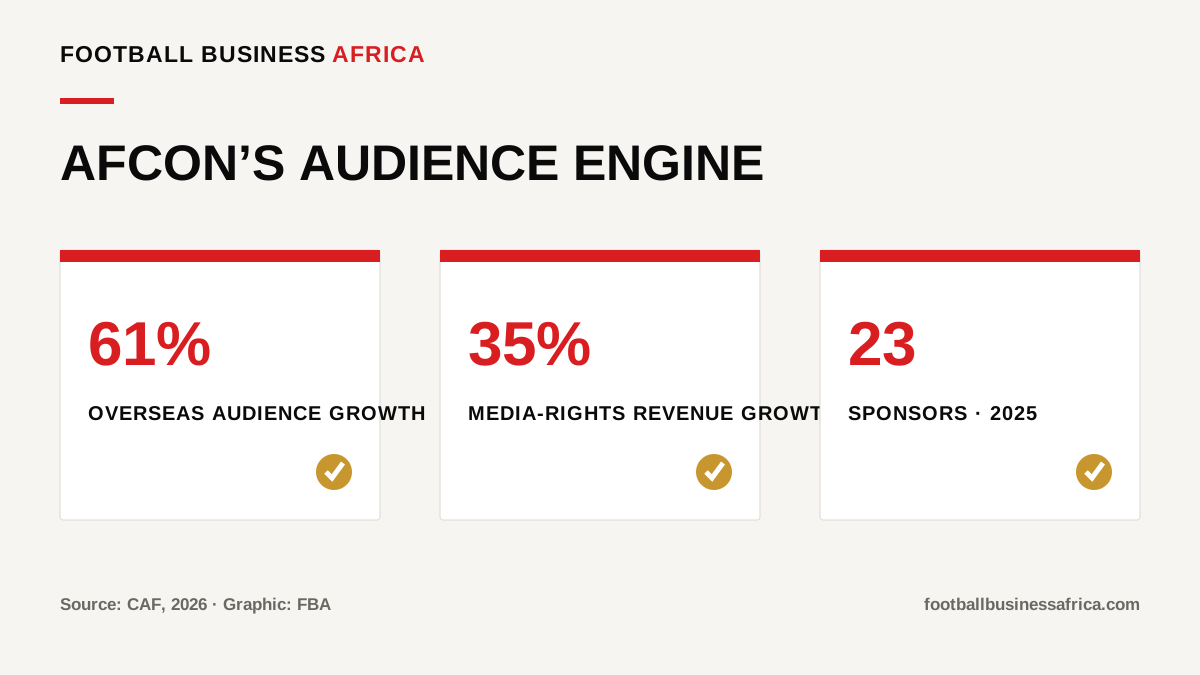
Approximately 45 free-to-air broadcasters partnered with CAF to broadcast AFCON 2023, reaching an audience in approximately 180 countries.
Who Is Who?
The African football broadcasting market is a mix of established international giants, emerging local players, and pan-African powerhouses characterized by intense competition. This competition is driving innovation and providing viewers with more diverse options. Some of the key players include:
SuperSport: Owned by MultiChoice, SuperSport is a dominant force in the pay-TV market across Sub-Saharan Africa. They hold a vast portfolio of sporting events, including the English Premier League, and have secured rights to CAF club competitions, such as the Champions League, Confederation Cup, Women's Champions League, and the Super Cup. In recent months, talks of the South African broadcaster being taken over by Canal+ have persisted. This could be the biggest shift on this landscape.
Canal+: A major player in Francophone Africa, Canal+ offers a variety of sports content as part of its pay-TV packages. If its much-discussed takeover of SuperSport happens in 2025 as expected by many experts, the French broadcaster would be in a unique and dominant position.
The value of African football rights is rising fast — and the contest for them is only intensifying.
BeIN SPORTS: The Doha-based dominates the Arabic-speaking North African market with a strong. BeIN had a public fall-out in recent years with the Confederation of African football over the broadcasting of AfCON and other competitions and appears to have since retreated somewhat from the continent’s.
StarTimes: A Chinese-owned company based in Rwanda, StarTimes has emerged as a significant competitor by offering more affordable packages and securing rights to local leagues across the continent.
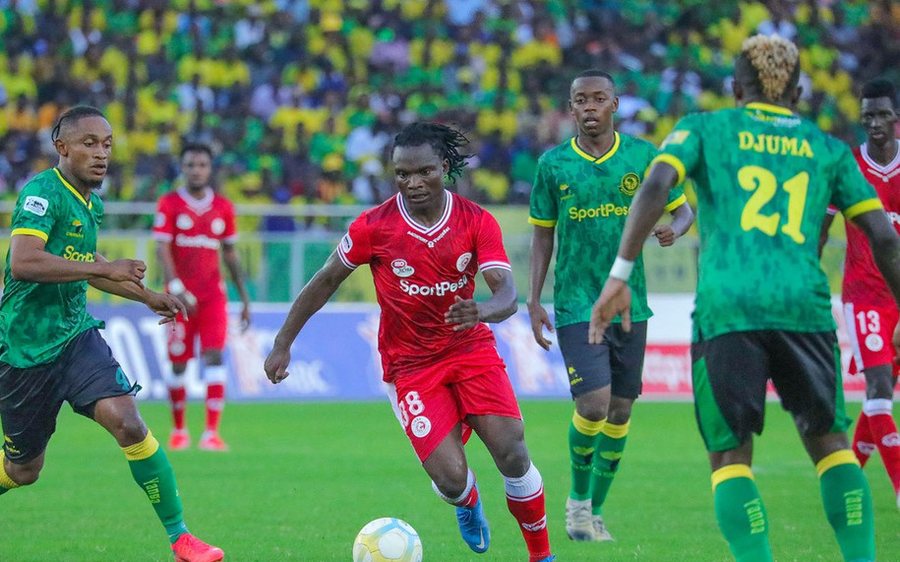
Azam TV: A Tanzanian operator whose investments in football in Tanzania and Kenya have played a critical role in the recent improvements across East Africa. In Tanzania, Azam TV first who bought the broadcasting rights to the Tanzanian league in 2017 for $2.1 million renewed the agreement in May 2021 for about $10 million per year, a massive investment by regiional standards.
New World TV: Based in Togo, NWTV has made significant strides by securing rights to major CAF competitions, including the Africa Cup of Nations (AFCON), for sub-Saharan Africa. In 2022, New World TV surprisingly won the 2022 World Cup in French speaking Africa for 15 million euros. The broadcaster now also holds the rights for African Cup of Nations for English speaking countries in Africa (2024 and 2026); the Men’s UEFA European Football Championship (2024 and 2028), for the English FA Cup in 17 African countries, the Leagues of Nations from 2022 to 2027, and the European zone qualifiers for the World Cup 2026
Public Broadcasters: National broadcasters like the South African Broadcasting Corporation (SABC) and Zambia National Broadcasting Corporation (ZNBC) play a crucial role in providing free-to-air access to major football events.
IMG: This global sports marketing agency plays a significant role in securing broadcast deals for events like the Africa Cup of Nations, highlighting the involvement of agencies in the broadcasting rights market.
Apart from the above deals, TV broadcasting deals with the national leagues in Ghana, Kenya, and Zambia are reported to be around $1 million/year for each of them.
Impact
The increased investment in broadcasting rights has a profound impact on the development of football in Africa, extending beyond the financial gains for broadcasters and sponsors:
A single newcomer from Togo shattered a broadcasting duopoly that had stood for decades.
Revenue for Football Associations: Broadcasting deals provide crucial revenue streams for football associations, enabling them to invest in essential areas such as infrastructure development, youth programs, and national team support. This financial boost strengthens the foundation of African football and fosters its growth at all levels.
Increased Visibility and Global Reach: Wider broadcasting of African football leagues and tournaments increases the visibility of African talent on the global stage. This exposure can lead to more opportunities for players to secure international contracts and elevate their careers.
Job Creation: The broadcasting industry creates numerous job opportunities in various fields, including production, commentary, technical support, and marketing. This job creation contributes to economic development and provides valuable employment opportunities within the sports sector.
Promoting Local Content: Broadcasting deals often include provisions for local content production, further developing the African television industry and nurturing local talent in broadcasting and production roles.
Looking ahead
Key trends are poised to shape the future of football broadcasting in Africa:
Rise of Digital Platforms: Streaming services and online platforms are gaining popularity, offering alternative viewing options for fans who seek greater flexibility and convenience. This trend is likely to continue as internet penetration increases and mobile technology becomes more accessible across the continent.
Focus on Local Content: Some broadcasters (such as Azam TV in Tanzania) are increasingly investing in local leagues and competitions, recognizing their growing appeal and the desire among fans to connect with homegrown talent. This trend is expected to further strengthen local leagues and contribute to the overall development of African football.
Competition and Consolidation: The market is likely to see continued competition and potential consolidation as major players seek to expand their reach and market share. This dynamic could lead to mergers and acquisitions, potentially reshaping the broadcasting landscape. For example, there is an anticipated merger between MultiChoice and Canal+, which could significantly impact the industry.
Sources & further reading
Public documents and reporting used to verify the article. Links open the original source.
- 01
CAF: AFCON 2025 commercial growth
- 02
CAF: international audience growth
- 03
PwC Africa entertainment and media outlook
- 04
GSMA Mobile Economy Africa 2025
Originally published in Football Business Africa, Issue 01 · Jan–Feb 2025.