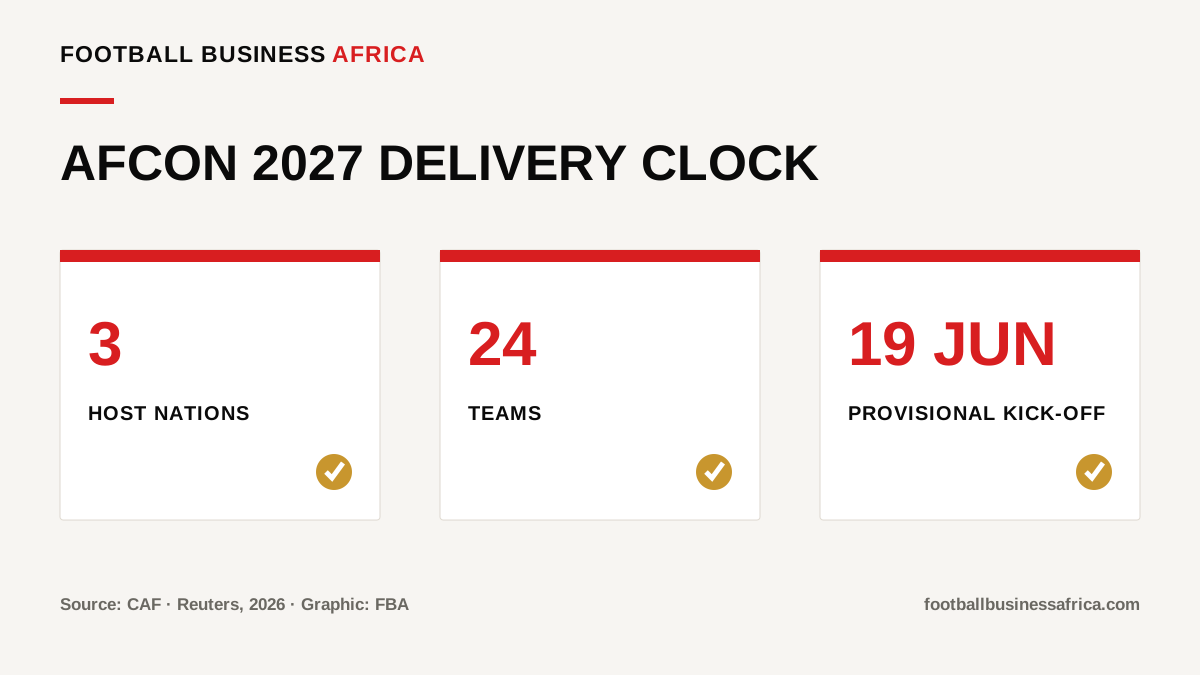
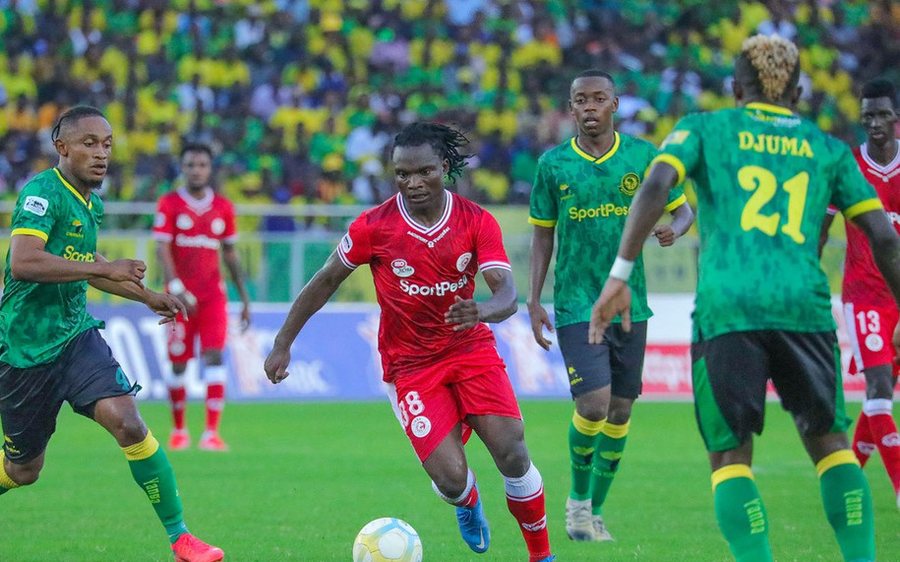

Football in Tanzania is more than just a beloved pastime; it's a burgeoning industry with significant economic and social impact. From packed stadiums roaring with passionate fans to thriving academies nurturing young talent, the sport is experiencing a period of remarkable growth and transformation. FBA delves into the latest trends, key players, and opportunities shaping the business of football in the East African nation, one of the three hosts - alongside Kenya and Uganda - of AFCON 2027.
Tanzania is better known as the home of Mount kilimanjaro, Africa’s highest peak, and a prime destination for tourism.
Yet, it also deserves to be known as the home to one of the most thriving football business industry on the continent.
Football's deep roots in Tanzanian culture have fueled its rise as a major economic force. The popularity of the sport has attracted increased investment, with sponsorship deals, ticket sales, and sports-related tourism contributing significantly to the local economy. The success of Tanzanian football also provides young athletes with career opportunities, both within and outside the country.
Trends
Several trends are shaping the future of football in Tanzania:
Increased Investment: Significant investments are being made in sports infrastructure and training hubs.
Growing Media Presence: Broadcasting rights are generating substantial revenue for the league and clubs. Azam Media Limited recently signed a 10-year television broadcasting rights contract worth billions of shillings.
Technological Advancements: Digital platforms like betPawa.tz are playing a crucial role in popularizing and supporting football. There's also potential for technology to enhance fan experiences through apps and platforms offering real-time updates, ticketing, and merchandise .
Actors
The Tanzania Football Federation (TFF) plays a pivotal role in overseeing the sport's development, managing various leagues and competitions, including the Tanzanian Premier League, where prominent clubs like Simba SC and Young Africans SC dominate. These clubs, with their strong fan bases and thriving academies, are key drivers of the football economy.
Azam FC, a relatively new club with a modern stadium and a focus on youth development, is another rising force in the industry.
Main leagues and competitions include:
Tanzanian Premier League: The top tier of Tanzanian club football, featuring prominent clubs like Young Africans and Simba.
First League: The third tier of Tanzanian club football.
Regional Champions League: A competition for regional champions.
Youth U20 League and Youth U15 League: Leagues for youth players.
Tanzania deserves to be known not only for Kilimanjaro, but for one of the continent’s most thriving football economies.
The Premier League is the most popular and competitive league in Tanzania, with matches attracting large crowds and significant media attention. Other notable clubs in the Premier League include Azam FC, African Lyon FC, and JKT Ruvu Stars.
The Championship: The second tier of Tanzanian club football.
Infrastructure
Tanzania has several stadiums dedicated to football, ranging from community pitches to larger venues capable of hosting national and international matches. Some of the major stadiums include:
National Stadium Tanzania (Benjamin Mkapa Stadium): Located in Dar es Salaam, this stadium has a capacity of 60,000 and serves as the home ground for the national team and prominent clubs like Simba SC and Young Africans FC.
CCM Kirumba Stadium: Situated in Mwanza, this stadium has a capacity of 35,000 and hosts matches for clubs like Mbao FC, Alliance Schools FC, Pamba F.C., and Toto African.
Uhuru Stadium: Another stadium in Dar es Salaam with a capacity of 23,000. It hosts matches for various teams, including Young Africans S.C., Simba S.C., JKT Ruvu Stars, and Ruvu Shooting.
Amaan Stadium: Located in Zanzibar, this stadium has a capacity of 15,000.
It's worth noting that some football clubs in Tanzania have their own stadiums. For example, Coastal Union
F.C. has its own private playground, and Azam FC has the Azam Complex Stadium.
Academies
Tanzania has numerous football academies and training centers that play a crucial role in developing young talent. These institutions provide aspiring players with coaching, mentorship, and opportunities to improve their skills in a structured environment.
Some notable academies include:
Simba Sports Club Academy: Known for producing top-tier talent like John Bocco, this academy offers structured training programs and opportunities to compete in local and regional tournaments.
Young Africans Sports Club Academy: Renowned for its high-quality coaching and facilities, this academy is a popular choice for aspiring footballers. Many graduates have gone on to play for the national team, the Taifa Stars.
AFCON 2027 is a golden opportunity — and a test of whether the boom can last.
Azam Football Club Academy: This academy has produced several players who have gone on to represent Tanzania at the national level.
Lengo Football Academy: This academy provides pathways for disadvantaged youth in Tanzania to develop their football skills and achieve their potential. The academy faces challenges in accessing dedicated sports fields and facilities, with training often taking place at a basic primary school ground.
Revenue Streams
The football economy in Tanzania encompasses various revenue streams, including:
Sponsorship deals: Local clubs and the national team attract sponsorships from companies seeking brand visibility and exposure to fans. For example, the Tanzanian league's title sponsor, NBC Bank, recently signed a five-year sponsorship deal worth 32.6 billion shillings.
Broadcasting rights: Television broadcasting rights generate significant revenue for the league and clubs. In 2021, the league signed a 10-year television broadcasting rights contract for 225.6 billion TZS with Azam Media Limited. There is also a broadcast agreement with state radio, TBC, for 3 billion TZS.
Ticket sales: Revenue from ticket sales contributes to the income of clubs and the league.
Merchandise sales: There is a growing demand for football merchandise in Tanzania, presenting opportunities for businesses to produce and sell jerseys, scarves, and other club-related items. A variety of merchandise is available for Tanzanian football fans, including T-shirts, posters, stickers, and home decor.
Sports-related tourism: The popularity of football attracts tourists to Tanzania, contributing to the local economy. For example, the African Football League (AFL) has brought economic benefits to Tanzania through increased tourism and income from accommodation and transport.
Looking ahead: AFCON 2027: A Catalyst for Growth
The upcoming AFCON 2027 presents a golden opportunity for Tanzania to further develop its football industry. The tournament is expected to generate substantial revenue and boost tourism. This presents opportunities for businesses in accommodation, tourism, merchandise, transport, and technology.
Despite the positive trajectory, challenges remain. Limited infrastructure, particularly in rural areas, and funding constraints need to be addressed. However, these challenges also present opportunities for investment and innovation. Building modern stadiums, establishing football academies, and securing sponsorship deals are key areas for growth.
Investing in the Future
For businesses considering investing in Tanzanian football, thorough due diligence and collaboration with local stakeholders are crucial. Identifying niche opportunities, such as youth development, sports tourism, or technology-driven solutions, can lead to success.
The Tanzanian football industry is a dynamic and promising sector with significant potential for growth. By capitalizing on the upcoming AFCON 2027, addressing existing challenges, and embracing innovation, Tanzania can solidify its position as a rising force in African football and unlock the full potential of its football economy.
Sources & further reading
Public documents and reporting used to verify the article. Links open the original source.
- 01
CAF: one year to AFCON 2027
- 02
Reuters: Motsepe backs East African hosts
- 03
Reuters: preparations and delivery challenges
- 04
CAF Club Licensing
Originally published in Football Business Africa, Issue 01 · Jan–Feb 2025.