
From Tanzania to South Africa, from Morocco to Nigeria, the African football industry is undergoing a remarkable transformation, driven by a surge in growth and promising opportunities. FBA Magazine explores the trends, the growth and opportunities that shape its future.
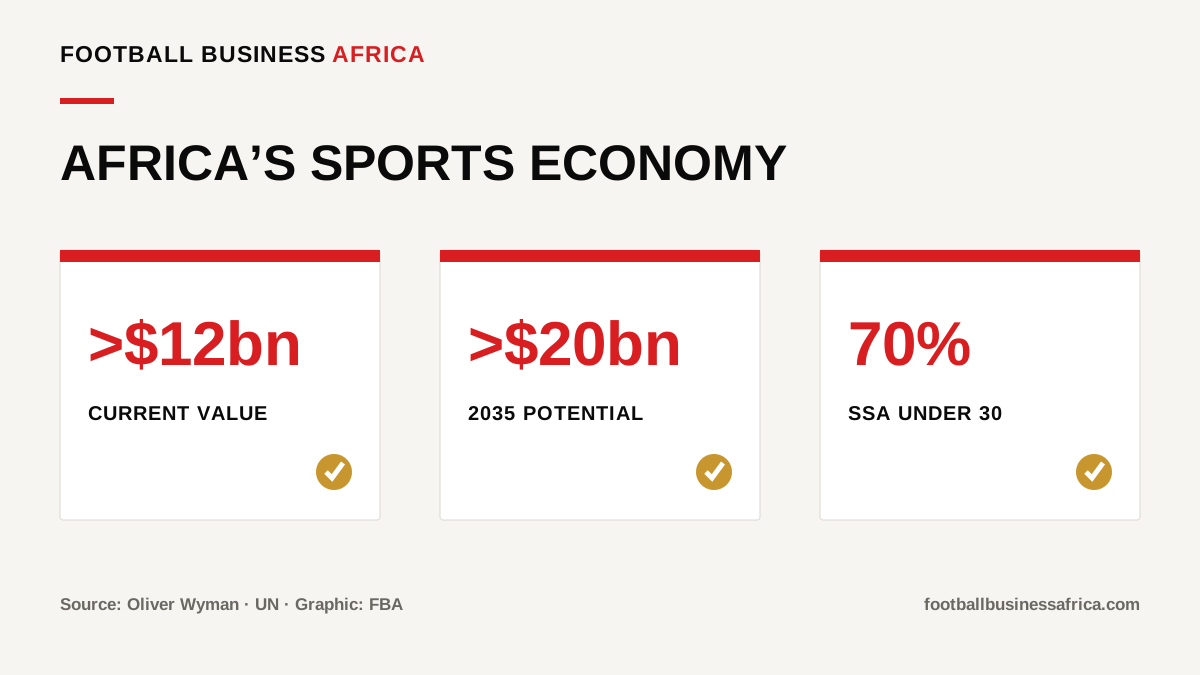
The African sports market is experiencing a surge in growth, poised for a significant expansion in the coming years. While the sports industry currently constitutes around 0.5% of Africa's GDP, compared to 2% globally, the football market specifically shows promising signs of a bright future. Experts predict that the current market value of over $12 billion could more than double, reaching over $20 billion by 2035. This anticipated growth is driven by a confluence of factors:
A Young and Burgeoning Population: With 70% of its population under the age of 30, Africa boasts the youngest population globally. This demographic translates to a massive and enthusiastic fan base, fueling the demand for football-related products and services.
Rising Disposable Incomes: As African economies experience growth and urbanization, disposable incomes are also on the rise. This leads to increased spending on entertainment and leisure activities, including football.
Technological Advancements: The widespread adoption of the internet and smartphones has unlocked new avenues for fan engagement and revenue generation. Digital platforms, streaming services, and social media are revolutionizing how fans consume and interact with football content, offering clubs and leagues innovative ways to connect with their audience and monetize their offerings.
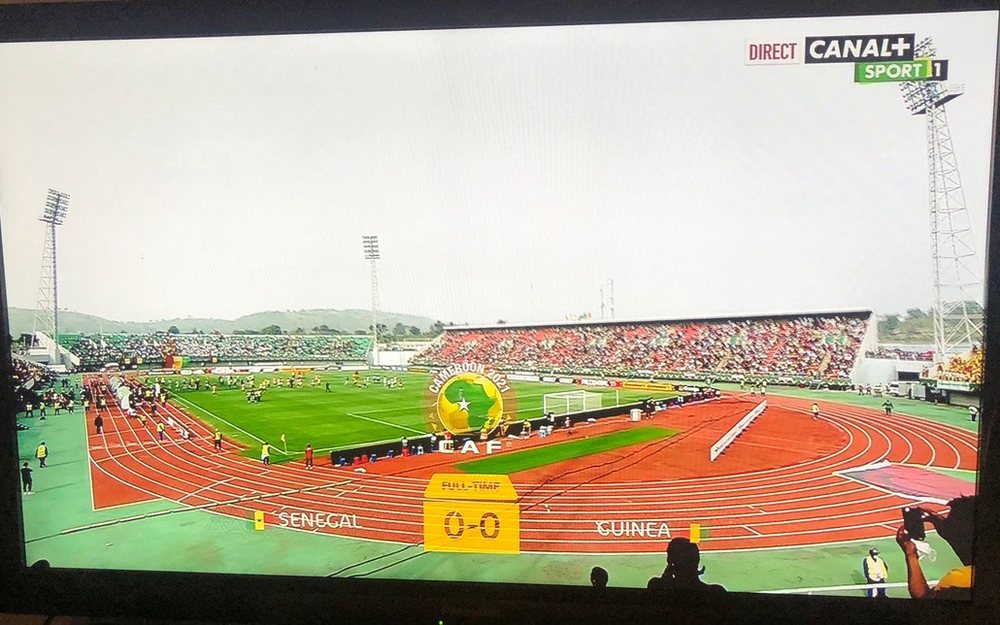
Investment in Infrastructure: Recognizing the need for quality facilities, African countries are strategically investing in sports infrastructure, including state-of-the-art stadiums and training centers. For example, Côte d'Ivoire invested 3,200 billion CFA francs (around 4.8 billion euros) in infrastructure for AFCON 2023.
Success of African Players on the Global Stage: The rise of globally successful African footballers in major leagues worldwide has significantly elevated the profile of African football. These players serve as ambassadors for the sport, attracting greater investment and inspiring young talent across the continent. Some like Demba Ba are investing in the sector as well (see our front page story)
International Partnerships: African actors are actively seeking collaborations with international partners to boost opportinities. In Kenya, Rwanda, Morocco and South Africa summits focusing on the business of sports and football have been taking place in recent years, bringing together government officials, league representatives, and experts to share knowledge and best practices (check our calendar).
Trends
Beyond the trends shaping the African sport market, the business of football on the continent Africa is showing new signs of dynamism and transformation, with several key trends shaping its trajectory:
Increased Commercialization: The African football industry is seeing a marked increase in sponsorship deals, advertising revenue, and media rights agreements (see our focus in this issue of FBA). This influx of capital presents a golden opportunity for clubs and leagues to generate revenue, invest in their development, and enhance the overall quality of the sport.
Focus on Talent Development: There is a growing emphasis on talent identification and development programs. Clubs and national teams are strategically investing in scouting networks, youth academies, and comprehensive player development programs to nurture the next generation of football stars.
Africa boasts the youngest population on earth — and, with it, the most enthusiastic fan base on the planet.
Rise of Sports Betting: Africa is witnessing an unprecedented surge in sports betting, with the continent boasting the fastest-growing gross gaming revenue globally.
Growth of Sports Technology: Investment in sports technology is on the rise, with companies developing innovative solutions for talent identification, fan engagement, and performance analysis. This trend is driven by the increasing availability of technology and the growing demand for data-driven insights in the sports industry.
Opportunities
Behind the positive trends and immense potential, the African football industry faces numerous challenges with corresponding opportunities:
Financial Constraints: Many African football clubs operate with limited resources and face financial instability. This hinders their ability to compete, invest in player development, and retain top talent.
Opportunity: Attracting Investment by addressing governance issues, improving infrastructure, and demonstrating a commitment to sustainable practices,
Inadequate Infrastructure: While there has been progress in infrastructure development, some African countries still lack adequate sports facilities, including high-quality training centers.
Opportunity : Continued investment in adequate sports infrastructure is crucial for African football.
Governance: Governance issues and corruption within football associations and governing bodies have plagued the industry, eroding public trust and hindering development.
Opportunity: Promoting ethical practices, strengthening financial management, and ensuring fair and democratic processes within football organizations.
Potential alone is not enough. It must be harnessed, nurtured and strategically managed to generate revenue.
Competition from Overseas Leagues: African football leagues face stiff competition from the English Premier League and other which attract more viewership and offer greater financial rewards.
Opportunity: Investing in youth development, creating pathways for African players to succeed domestically, and improving the quality of local leagues can help retain talent and strengthen African football.
Limited Sports Management Education: The lack of adequate sports management education contributes to mismanagement and corruption within the industry.
Opportunity: Investing in Sports Management Education and expanding research into effective business models can improve the governance and management of African football. This includes developing specialized training programs for sports administrators and promoting best practices in financial management and organizational development.
Players/Investors
In recent years, a notable trend has emerged in the African football landscape: African football stars are increasingly investing in football clubs.
Prominent players like Andre Onan, Didier Drogba, Sadio Mane, and Demba Ba have ventured into club ownership or investment. This trend reflects the growing financial clout of African footballers and their desire to contribute to the development of the sport on the continent.
Drogba, for example, was involved with the United Soccer League (USL) team Phoenix Rising FC in the United States, holding a player/co-owner position and playing a key role in the club's development. Other players, such as Demba Ba and Mohamed Elneny, have also made investments in football teams. Andre Onana has invested time and money in a women football team in his native Cameroon. This trend not only injects much-needed capital into African football but also brings valuable expertise and global connections to the industry.
Looking ahead, the business of football in Africa is a dynamic and rapidly evolving landscape with immense potential for growth. While challenges remain, the industry is embracing commercialization, investing in talent development, and leveraging technology to enhance its growth and reach new heights.
Sources & further reading
Public documents and reporting used to verify the article. Links open the original source.
- 01
Oliver Wyman: Africa’s sports economy
- 02
African Development Bank: sport and economic growth
- 03
UN: sub-Saharan Africa’s youth population
- 04
PwC Global Sports Survey 2024
Originally published in Football Business Africa, Issue 01 · Jan–Feb 2025.