
Some projects emerge from market research. Others emerge from frustration. Kobo Sport belongs to the second category. After years of observing the systematic waste of African sporting talent, its founders reached a simple conclusion: the continent does not suffer from a shortage of structures. The ambition is therefore larger than building another academy. The ambition is to build an ecosystem.
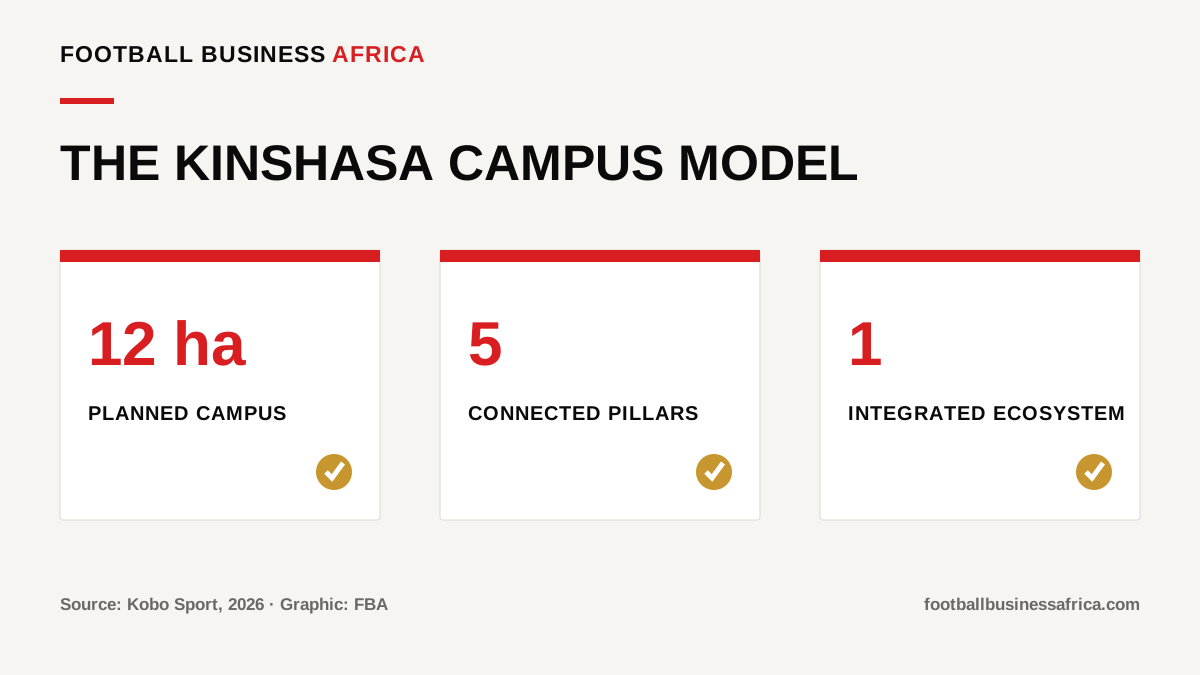
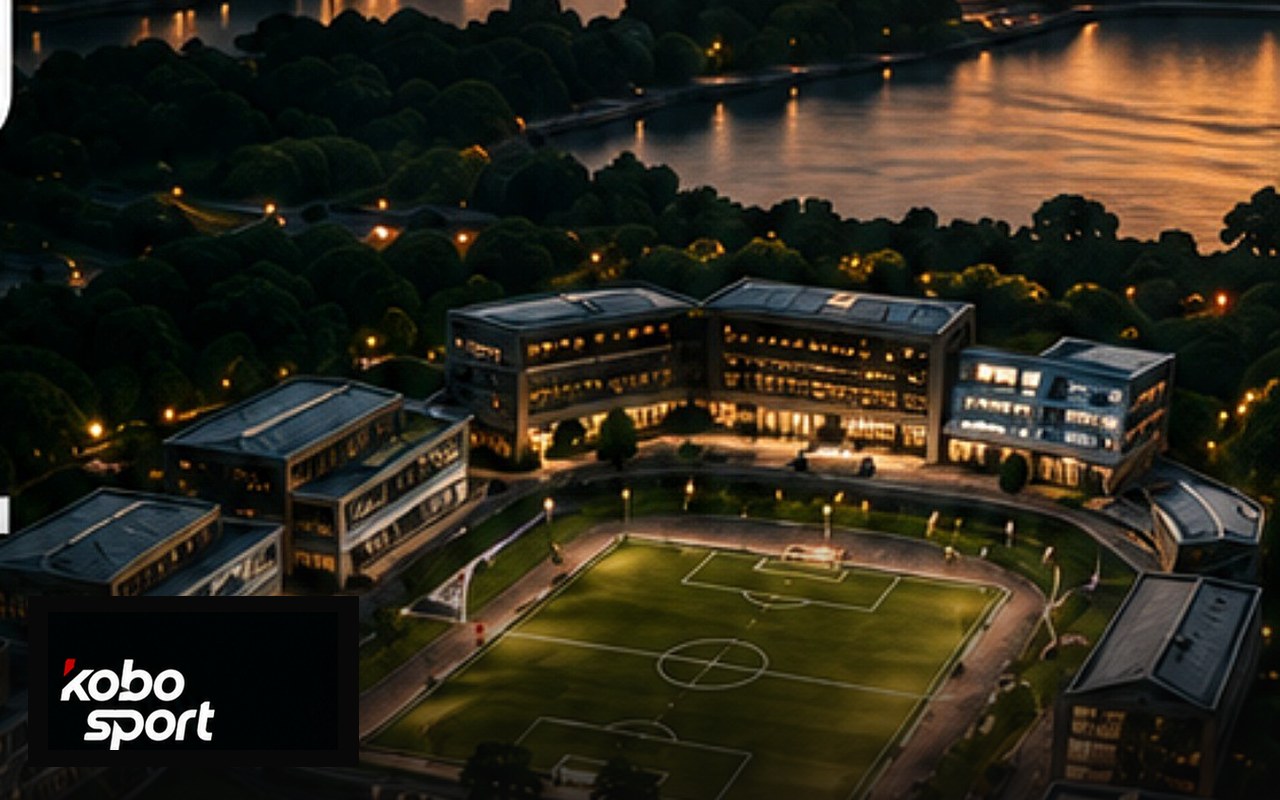
Located in Kinshasa, Democratic Republic of Congo, Kobo Sport is developing a 12-hectare integrated sports campus designed to connect talent development, education, healthcare, technology and business. The objective is straightforward: transform one of the world’s richest talent pools into a sustainable sports economy.
We are not simply training players. We are building an ecosystem.
The Central African paradox
Central Africa possesses one of the youngest populations on earth. The region produces footballers, basketball players and athletes of extraordinary quality. Yet the infrastructure surrounding them often remains fragile. Many young players still navigate informal pathways. Residential academies are limited. Sports medicine is underdeveloped. Educational support is inconsistent. Professional career planning frequently depends on intermediaries rather than institutions. The dominant model often revolves around the hope of a transfer rather than the systematic construction of a career. Kobo Sport proposes a different approach: rather than focusing exclusively on technical training, it seeks to organise the entire value chain.
Building an ecosystem
The project rests on five complementary pillars. Elite sports development provides football and basketball infrastructure designed around international standards. Education and vocational training follow a sport-study model intended to prepare athletes for life beyond competition. Health and performance integrate sports medicine, physiotherapy and performance science into everyday development. Technology and data — digital monitoring, performance analytics and athlete documentation — are designed to increase visibility and long-term value. And hospitality and events provide facilities capable of hosting tournaments, corporate events and visiting teams while generating recurring revenues.
More than an academy
Many sports academies measure success through transfers. Kobo Sport measures success through ecosystem building. Its integrated model seeks to reduce dependence on a single source of revenue by combining athlete development, education, medical services, events, hospitality, corporate partnerships and technology. This diversified approach aims to create a more resilient business model while strengthening the local sports economy.
Why Kinshasa?
Few cities combine the demographic and sporting characteristics of Kinshasa: one of the largest urban centres in Africa, a metropolis of over 17 million inhabitants and growing; the largest francophone metropolis in the world, a strategic linguistic and cultural advantage in the global sports industry; a deep reservoir of football and basketball talent that is raw, abundant and still largely untapped; and a strategic gateway to a Central African region of more than 150 million people. Kobo Sport is co-founded by Sidonie Latere, founder of Kobo Hub, and André-Michel Essoungou, co-founder of Go4it Sports Tech and a former RFI/BBC correspondent and UN adviser. Football Business Africa magazine is part of the same ecosystem.
Sources & further reading
Public documents and reporting used to verify the article. Links open the original source.
- 01
Kobo Sport official site
- 02
Kobo Hub ecosystem
- 03
DRC Ministry of Sport: digital athlete registry
- 04
DRC Ministry of Sport: infrastructure programme
Originally published in Football Business Africa, Issue 04 · June 2026.